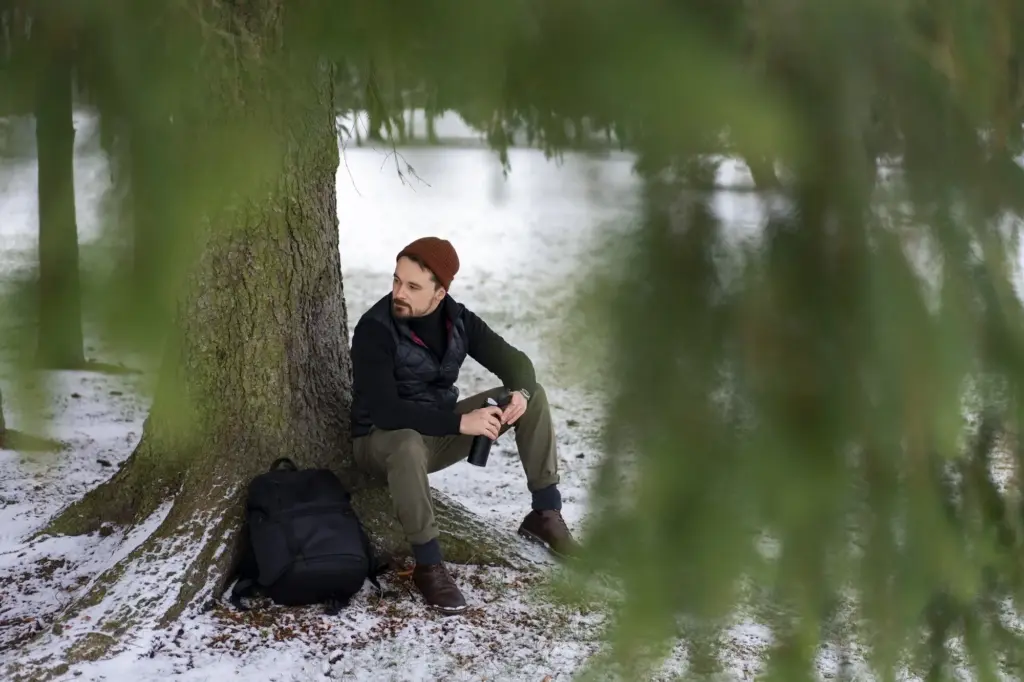
Finding Your Path, Savoring the Pause
Decoding Cognitive Load
Inclusive Cues for Diverse Bodies
Micro-Moments That Build Confidence

Offline-First Navigation
Signals vanish; memory should not. Vector tiles cached at home, simplified contours, and clear hazard overlays keep your line alive without reception. Dynamic waypoints update only when service returns, guarding privacy while preserving truth. If storms roll in, an offline prompt suggests the nearest sheltered coffee stop, adjusting pace estimates and daylight buffers with respectful transparency.
QR Stories at the Kettle
Small weatherproof plates near kettles unlock layered details: current elevation, last trail check, bean origin, and a ranger’s thirty-second safety note. Everything loads quickly, works offline after first scan, and favors succinct visuals over jargon. Between sips, hikers learn why this ridge funnels wind, how to pack out waste responsibly, and which spur offers safer descent today.
Gentle Alerts, Not Nagging Pings
Phones should nudge, not boss. Haptic taps arrive only near ambiguous forks, impending darkness, or shifting forecasts. No autoplay audio, no data harvesting, and no energy-hungry animations. A respectful reminder might say, “One hour to sunset; consider pausing coffee here,” letting you choose without guilt. Dignity in design preserves both battery life and autonomy.
Altitude-Smart Brewing Methods
Sourcing With a Story
Rituals That Restore
Safety, Energy, and Pace
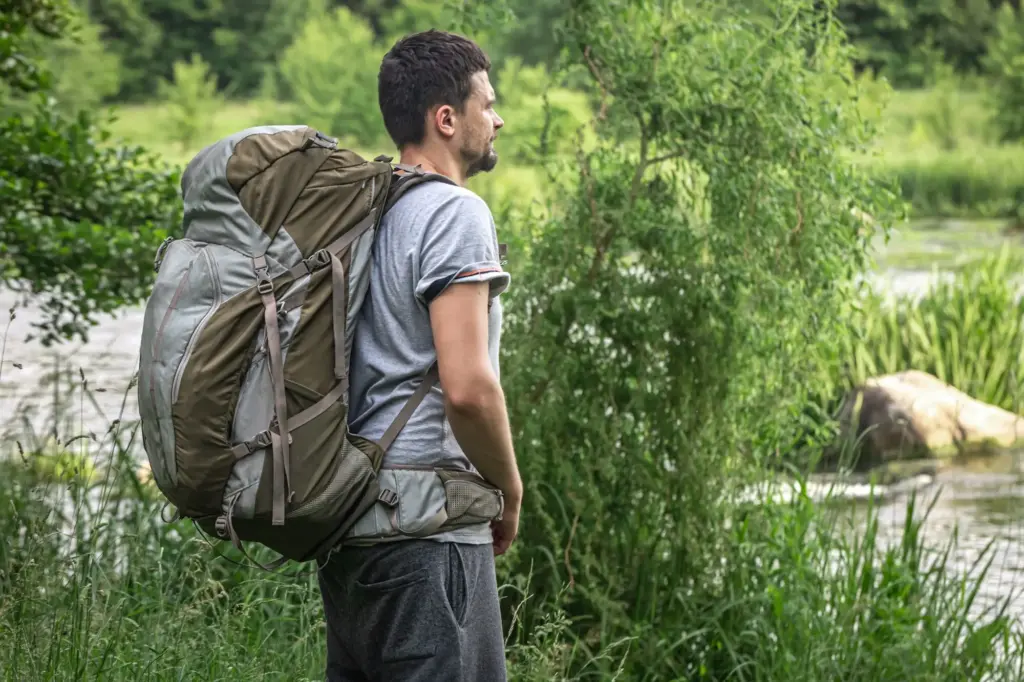


Stories Woven Into the Switchbacks
Community Co‑Creation and Continuous Learning