
Trail-Side Coffee That Climbs With You

Today we explore trail-side coffee gear design focused on lightweight brewers and grinders for alpine hikes, revealing how smart materials, compact engineering, and altitude-aware techniques unlock bright, balanced flavor far above treeline. Expect practical selection tips, field-proven packing strategies, and engaging stories that prove every gram can still deliver real delight when the stove hisses, the wind bites, and the horizon turns gold.

Ultralight Principles Without Compromising the Cup

Shaving weight should never mean shaving joy. Thoughtful coffee gear for alpine missions uses purposeful materials, nestable forms, and minimal parts that survive rocks, frost, and backpacks. The goal is reliability under stress: repeatable extraction, glove-friendly operation, and a setup that disappears in your pack yet reappears at dawn to make morale rise faster than the sun.
Titanium resists dents and laughs at heat yet keeps grams low, while aluminum spreads heat predictably, and high-grade polymers reduce rattle and frostbite risk on contact. Every choice impacts flavor stability, hand comfort, and pack integrity. Favor materials that handle gusts, snow, and sudden drops, because alpine gear must brew beautifully on day one and day thirty.
Great trail-side coffee rigs vanish into your kit by nesting filters, cups, and tiny kettles around a canister, windscreen, and lighter. Foldable handles, collapsible drippers, and protective sleeves prevent clatter and damage. Prioritize shapes that stack rather than sprawl, protect sensitive burrs, and keep wet parts separated, so your sleeping bag smells like pine, not yesterday’s grounds.
A few grams saved are meaningless if channeling ruins clarity. Consider dripper hole patterns, bed depth, and filter porosity before celebrating a lighter spec. Seek designs that create stable flow even when wind pushes stream paths sideways. Remember, predictable turbulence and even saturation typically yield sweeter, calmer cups than ultra-thin compromises that wobble under a gust and punish patience.

Brewers Built For Wind, Cold, and Granite

Cones That Cut The Headwind

Ribbed cones with tight outlets can tame erratic pours, while compatible windshields and snug filters defend temperature. A slightly taller bed creates steadier flow despite sudden gusts. Choose cones that lock onto mugs or adapt with silicone gaskets, ensuring your bloom does not race downhill in the breeze while you blink snow from your eyelashes.

Immersion When Fingers Are Numb

Immersion brewers shine when fine control fades. With a capped chamber and insulated sleeve, they hold heat longer, demand fewer finesse moves, and forgive uneven pulses. Press times may extend slightly in the cold, but extraction remains dependable. Compact pistons, robust seals, and filter options offer versatility, turning a shaky, gloved minute into calm, syrupy comfort.

Pressure and Percolation At Altitude

Low boiling points challenge moka and pressure-style devices. While they can sing with stable stoves and sheltered sites, temperature ceilings limit body and crema expectations. If you insist, pre-warm everything, manage gentle heat, and watch carefully for sputter signals. For many hikers, controlled pour-over or immersion avoids disappointment and reduces risk when morning winds misbehave.

Grinders You Can Trust With Gloves On
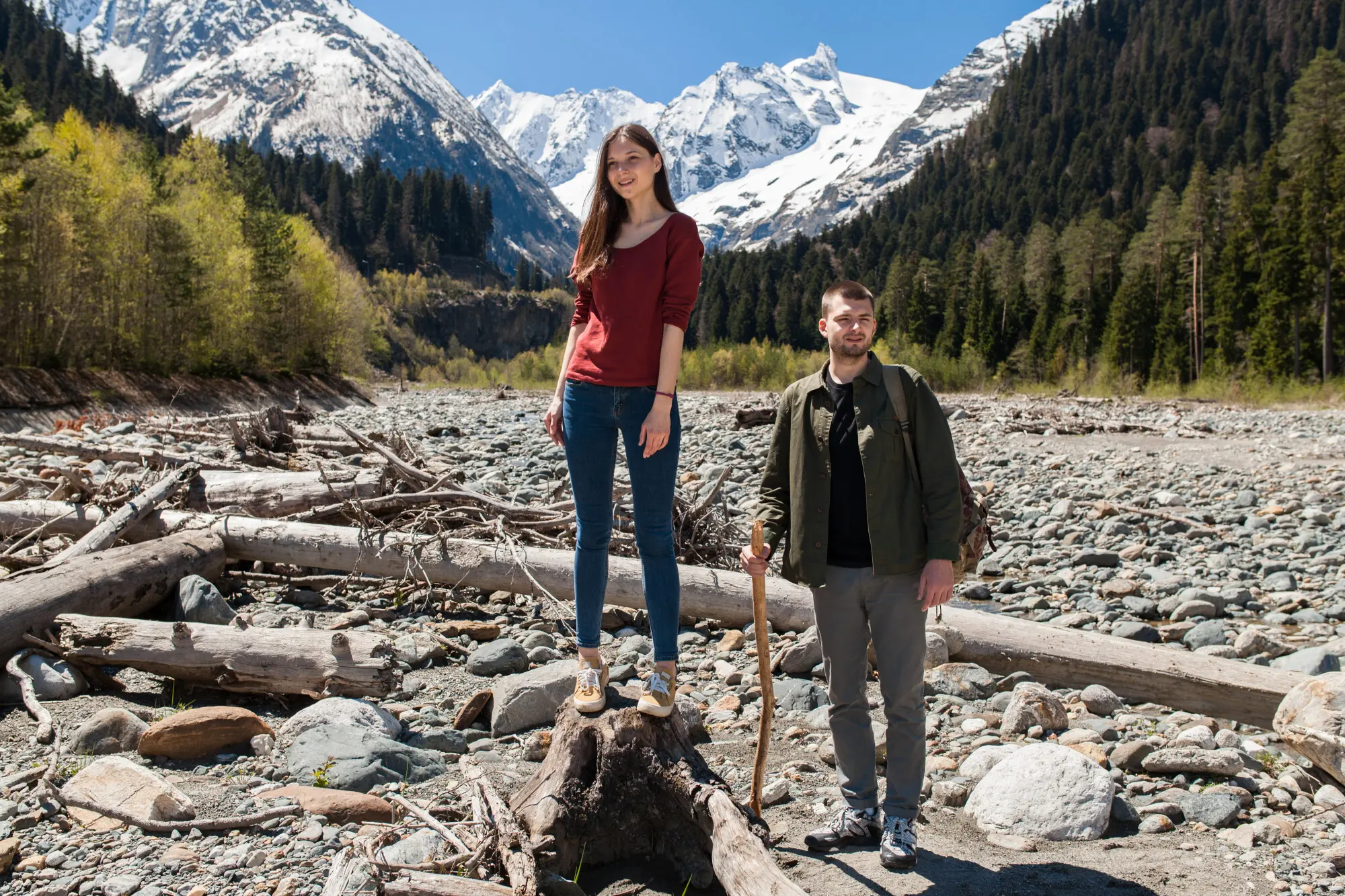
Consistency is currency when oxygen is thin and time precious. Hand grinders tuned for trail duty prioritize stable burr alignment, glove-friendly grips, and durable bearings that shrug off dust. Folding handles must lock under torque, adjustment clicks must be audible in wind, and the overall silhouette should ride quietly beside a fuel canister without bruising fruit or fingers.

Water, Heat, and Reality Above Treeline

Thin air lowers boiling points, so extraction can stall without compensation. Success comes from preheating gear, shielding flames, and adjusting grind or contact time. Stability matters: broad stove supports and low profiles resist gusts. Manage fuel carefully, melt snow thoughtfully, and remember that a steady simmer beats dramatic roaring flames when precision, warmth, and serenity matter most.

Roast Profiles That Shine in the Cold

Medium to medium-light roasts keep florals and fruit alive despite reduced boiling points, while avoiding the ashiness that can dominate darker roasts at altitude. If bitterness creeps in, coarsen slightly or shorten contact time. Pre-grind only when necessary; otherwise, whole beans protect aromatics from big temperature swings and the rattle of your stride across talus.

Ratios, Bloom, and Flow Adjustments

Start with a forgiving 1 to 15 or 1 to 16 ratio. Extend bloom to thirty or forty seconds in the cold, agitating gently to kickstart extraction. Pulse pours steady heat loss and preserve clarity. If cups lean sour, tighten the grind; if astringent, open up. Record altitude, wind, and dose, building a trail log your future self will cherish.

A Dawn Story Worth Repeating

On a frigid bivy above the tree line, a small cone, fifteen grams of washed Ethiopian, and a careful windscreen turned shivers into laughter. We slowed the pour, hugged the mug, and watched alpenglow ignite. That cup tasted like citrus and pine, sweeter for the effort. Share your own ridge-top rituals so others can learn, adapt, and smile.

Testing, Packing, and Sharing the Ritual

Great alpine coffee begins at home and grows stronger through miles. Shakedown hikes reveal cold-hand bottlenecks and rattling parts. Packing systems prevent cracked burrs and soggy filters. Then comes community: swapping ideas at trailheads, learning from failures, and celebrating tiny gear tweaks that transform mornings. Bring curiosity, document results, and keep the dialogue warm as steam.
Tavosanotelikarolentopalo
Privacy Overview

This website uses cookies so that we can provide you with the best user experience possible. Cookie information is stored in your browser and performs functions such as recognising you when you return to our website and helping our team to understand which sections of the website you find most interesting and useful.