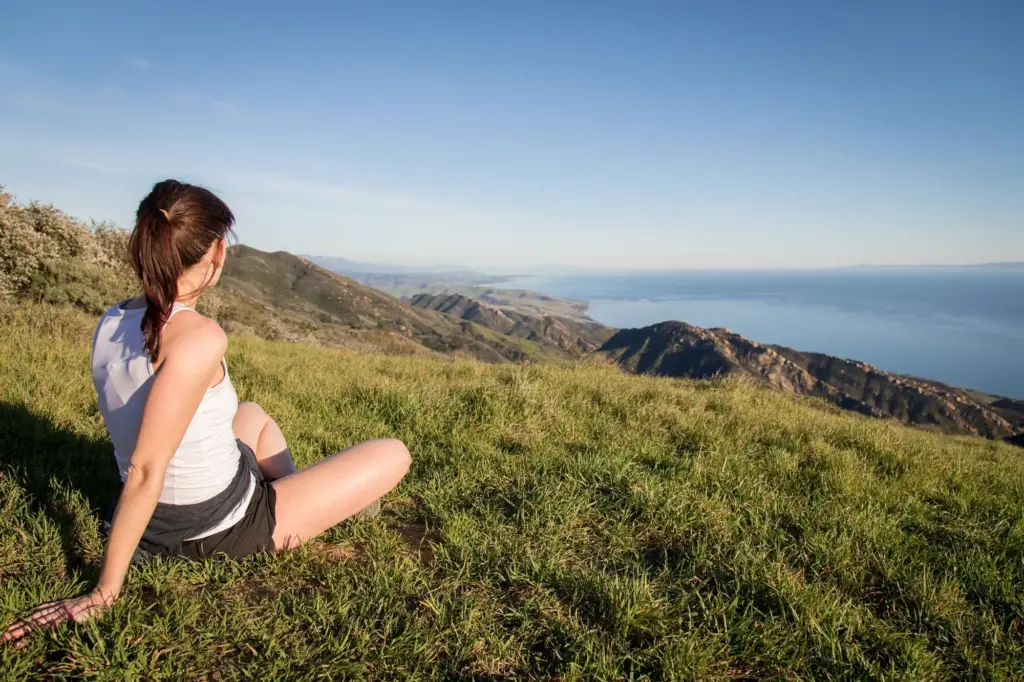
Lift Your Cup Above the Clouds

Today we dive into brewing at altitude: techniques and tools for high‑elevation coffee on the trail, turning thin air and fierce wind into allies instead of obstacles. Expect practical adjustments for temperature, time, grind, and gear, plus stories and field‑tested tips that help every sunrise sip taste richer, sweeter, and wonderfully earned after the climb. Bring curiosity, a sturdy mug, and let’s unlock consistently great results when the horizon sits closer than your campsite.

Why Mountains Change Your Brew

Higher elevations drop boiling temperatures, thin the air, and accelerate heat loss, which together reduce extraction energy and alter how flavors dissolve from your grounds. What tasted balanced at sea level can taste under‑developed on a ridge. Understanding these physics lets you adjust grind, contact time, agitation, and dose so sweetness, clarity, and body reappear in your cup even when water never quite reaches the rolling heat you expect.

Gear That Thrives Above Tree Line

Ultralight doesn’t have to mean under‑flavored. Smart tools stabilize heat, simplify timing, and travel well in harsh conditions. Choose brewers with reliable seals, compact grinders that hold alignment, kettles that block wind, and mugs that preserve precious heat. Every gram should serve clarity, consistency, and resilience, so your pack remains nimble while your cup delivers warmth, morale, and the kind of aroma that makes dawn feel gentler.

Compact Brewers with Forgiving Workflows

Look for brewers that tolerate cooler water and offer control: AeroPress Go, sturdy collapsible pour‑over cones with flat‑bottom filters, or a lightweight immersion press. Favor designs that seal against drafts, enable gentle agitation, and clean quickly without wasting water. Reliability matters when fingers are cold and time is short; fewer parts, snug fits, and durable plastics or titanium keep performance high when campsites tilt and winds shift.

Insulation, Lids, and Temperature Retention

Heat is a fleeting luxury at altitude. Double‑wall mugs, fitted lids, neoprene cozies, and insulated brewers slow thermal drop‑off and stabilize extraction. Pre‑warm everything—brewer, mug, filter, even grinder burrs if possible. A snug lid during blooming and steeping preserves aromatics and energy, reducing the urge to over‑grind. When the last pour lands, covered cups hold flavor longer, letting you savor views without racing your cooling curve.

An Altitude‑Tuned AeroPress Routine

Use the inverted method to shield heat, pre‑warm every component, and dose slightly higher than at sea level. Grind a notch finer, bloom longer with a gentle stir, then steep for about two minutes before pressing slowly. Finish with a small bypass of hot water to lift clarity without over‑extracting. This sequence preserves body, stabilizes temperature, and consistently unlocks sweetness despite cooler brewing ceilings and swirling gusts.

Pour‑Over with Slower Pours and Longer Bloom

Flatten the bed carefully, then bloom with ample water—at least two to three times the dose—and wait longer than usual to let CO₂ escape in thin air. Use controlled pulses, keeping the kettle spout close to the bed to minimize heat loss. Expect a slower drawdown, so resist speeding the pour. The reward is a calmer extraction that highlights citrus sparkle, cocoa tones, and a rounded finish even in cold winds.

Immersion for Forgiveness and Comfort

When wind trims your water temperature, immersion methods deliver friendly margins. Combine a moderate‑fine grind with extended steeping in a heat‑retaining vessel, then decant through a metal or paper filter. Gentle stirring mid‑steep evens extraction without mud. Wrap the brewer in a cozy, keep the lid on, and give the cup an extra minute to settle. You’ll trade a touch of clarity for warmth, sweetness, and serenity.

Methods That Reward Patience

At elevation, patience translates into sweetness. Techniques that stretch contact time, protect heat, and manage turbulence outperform hurried routines. Instead of forcing extraction with aggressive fines, lean on longer steeps, smarter blooms, and steady pours. Embrace recipes that build structure slowly, letting delicate aromas emerge without harshness. When the landscape slows your steps, let your method slow as well, and taste the mountain in balanced harmony.

Heat, Fuel, and the Relentless Wind

Fire plays by mountain rules. Canister pressure drops in cold, flames sputter in gusts, and fuel vanishes faster as you chase hotter water. Choose stoves that shield flame, simmer predictably, and pair with wide, efficient pots. Pre‑warm canisters, manage wind aggressively, and plan extra fuel for repeated heats. The right setup not only saves weight across days, it protects flavor in every carefully timed pour or plunge.

Choosing the Right Stove for Cold and Height

Integrated canister systems with heat exchangers excel in wind, yet extreme cold may demand liquid‑fuel stoves that maintain pressure. Consider stoves with solid pot supports, real simmer control, and wind‑resistant burners. A foil or titanium windscreen, used safely, multiplies efficiency. Test your rig before the trip, noting boil times and fuel consumption at comparable temperatures, so your coffee plan remains certain when trails grow remote.

Wind Management and Safe Efficiency

Wind is the unseen thief of flavor, whisking heat from kettles and cups. Shield the stove, orient behind natural barriers, and lift pots only when necessary. Pre‑warm lids, keep mugs covered, and transfer fast. Never fully enclose canisters; prioritize ventilation and stability. By trimming heat loss, you lengthen the window where extraction shines, lowering the temptation to grind too fine or over‑agitate in pursuit of warmth.

Strategic Water Heating and Pre‑Warm Rituals

Heat slightly more water than you need so you can pre‑rinse filter, brewer, mug, and even the grinder catch. Returning this water to the kettle before brewing keeps temperature high. If you miss a rolling boil, add seconds to contact time instead of over‑correcting grind. Remember, your rituals are fuel too; tiny warmth‑saving habits compound into better flavor and calmer mornings above the treeline.

Beans That Shine Above the Clouds
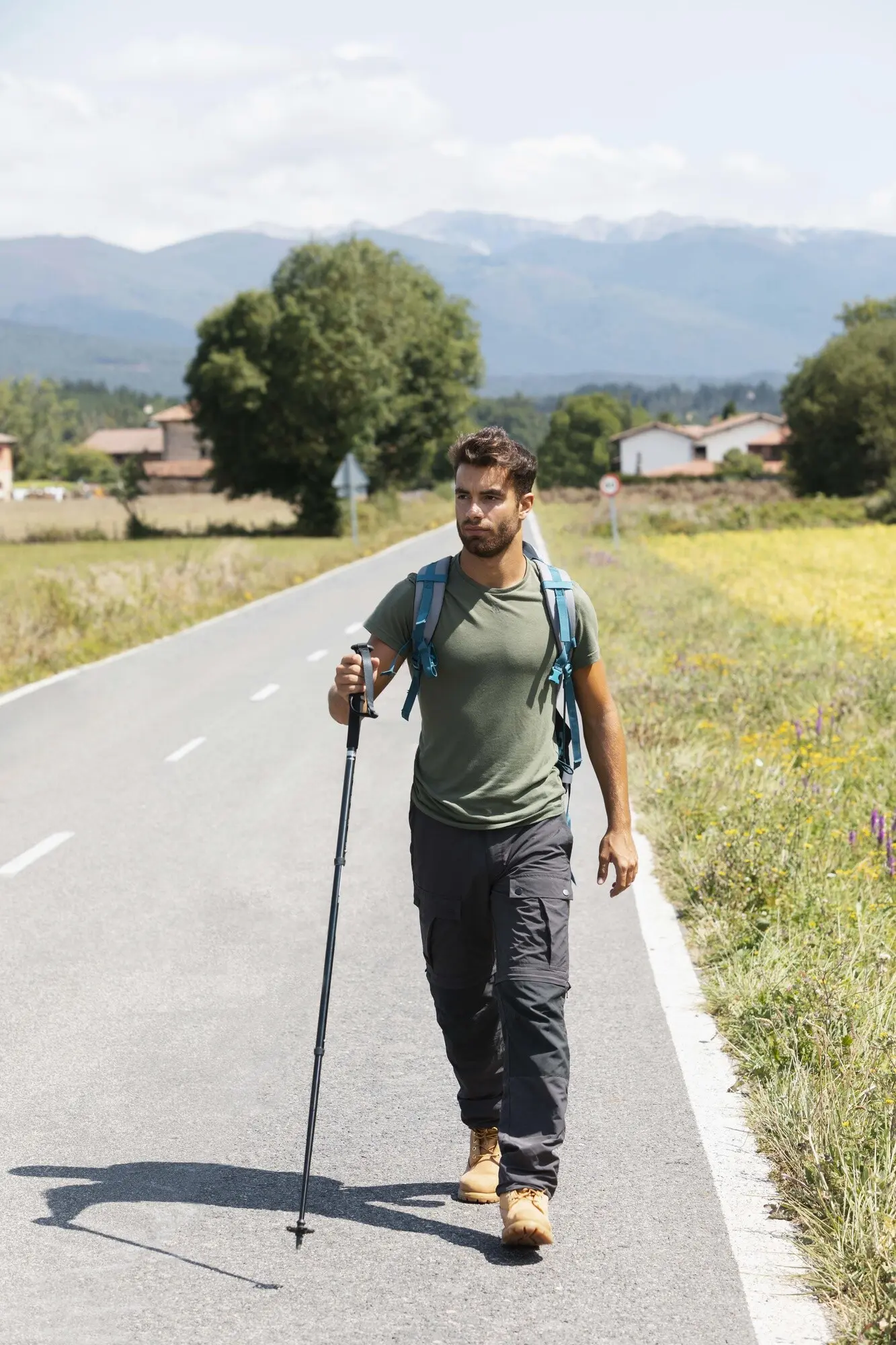
Choose coffees that stay expressive when water runs cooler and extraction slows. Balanced washed lots, sweet mids, and resonant naturals can all sing, but roast and density matter. Slightly higher solubility helps, while bright, ultra‑light profiles may need careful time extensions. Pack freshness thoughtfully, protect aromas from altitude swings, and dose predictably. With the right green and roast, mountain mornings paint raspberry, caramel, or cedar into your steam.

Water, Wellness, and Leave No Trace

Delicious coffee starts with safe water and ends with responsible cleanup. Alpine sources can be mineral‑poor yet host invisible risks, so filter, purify, or boil with care. Balance caffeine with hydration, tune intake to effort, and respect altitude’s tug on sleep. Pack out grounds, scatter cooled rinse water broadly, and leave camps cleaner than found. A mindful routine protects ecosystems while nurturing your best trail mornings.

Trail Stories and Shared Rituals

Coffee at altitude is a conversation with weather, patience, and place. A golden ridge, a quiet stove, and the hush before first light can turn a simple cup into ceremony. Share your wins, near‑misses, and micro‑discoveries. Ask questions, trade recipes, and help fellow hikers find warmth and sweetness above the pines. Subscribe for new field notes, and let’s keep learning together, one careful pour at a time.

A Dawn Memory from a Wind‑Carved Pass

We crouched behind a granite lip as the sky bruised purple to peach. The kettle never boiled hard, yet an extra thirty seconds of bloom and a patient press yielded honeyed cocoa and tangerine. Steam met frost, and everyone fell silent, grinning. That cup taught us to slow down, guard heat, and trust gentler adjustments. Share your moment like this—what did the mountain teach your palate?

Your Turn: An Ultralight Recipe Challenge

Pack under two hundred grams of coffee gear and craft a method that thrives at 2,500 meters in steady wind. Detail dose, grind, bloom time, agitation, and how you stabilized temperature. Post your iteration, then refine after community feedback. We will feature standout entries in future field guides, so others can climb lighter, brew smarter, and taste the view without sacrificing clarity or sweetness.

Comment, Connect, and Keep Exploring

Drop a note describing your favorite mountain bean, the stove that finally tamed gusts, or the cozy hack that kept your slurry warm. Ask questions, counter an idea, or suggest a new technique to test. Hit subscribe for upcoming experiments, printable checklists, and real‑world gear comparisons. Together we can chart reliable paths to great cups where maps thin, air thins, and coffee grows bold.

Tavosanotelikarolentopalo
Privacy Overview

This website uses cookies so that we can provide you with the best user experience possible. Cookie information is stored in your browser and performs functions such as recognising you when you return to our website and helping our team to understand which sections of the website you find most interesting and useful.